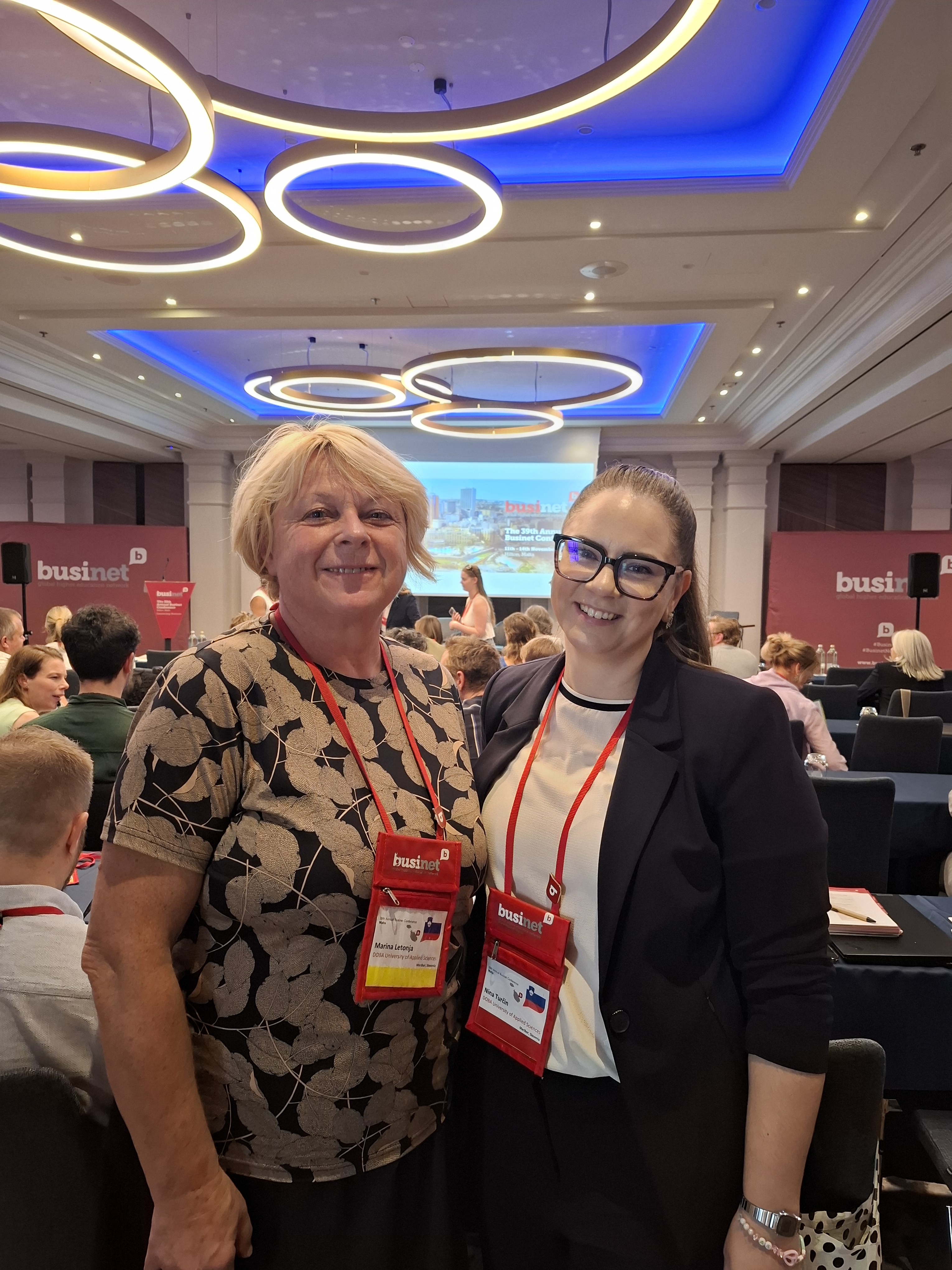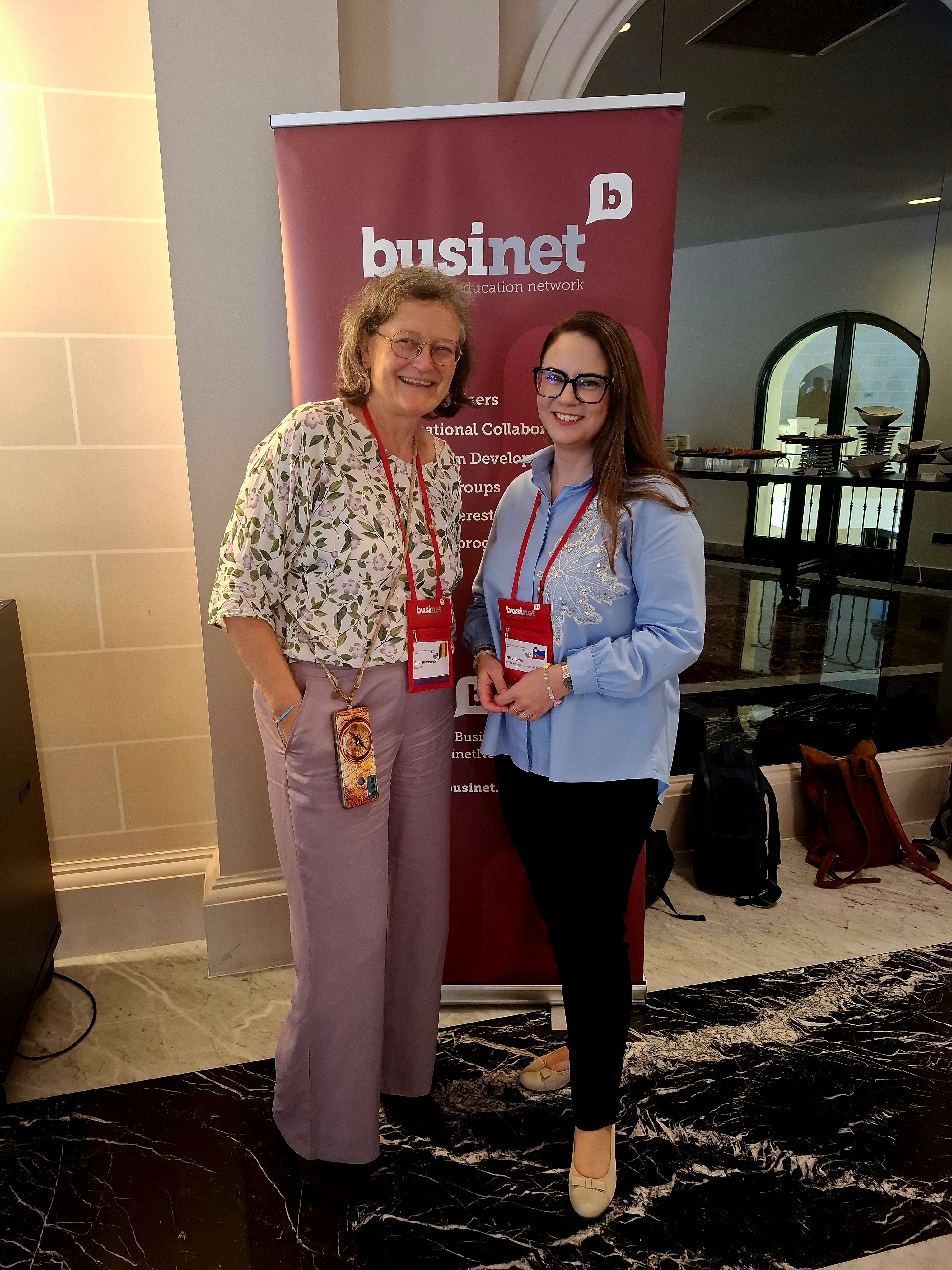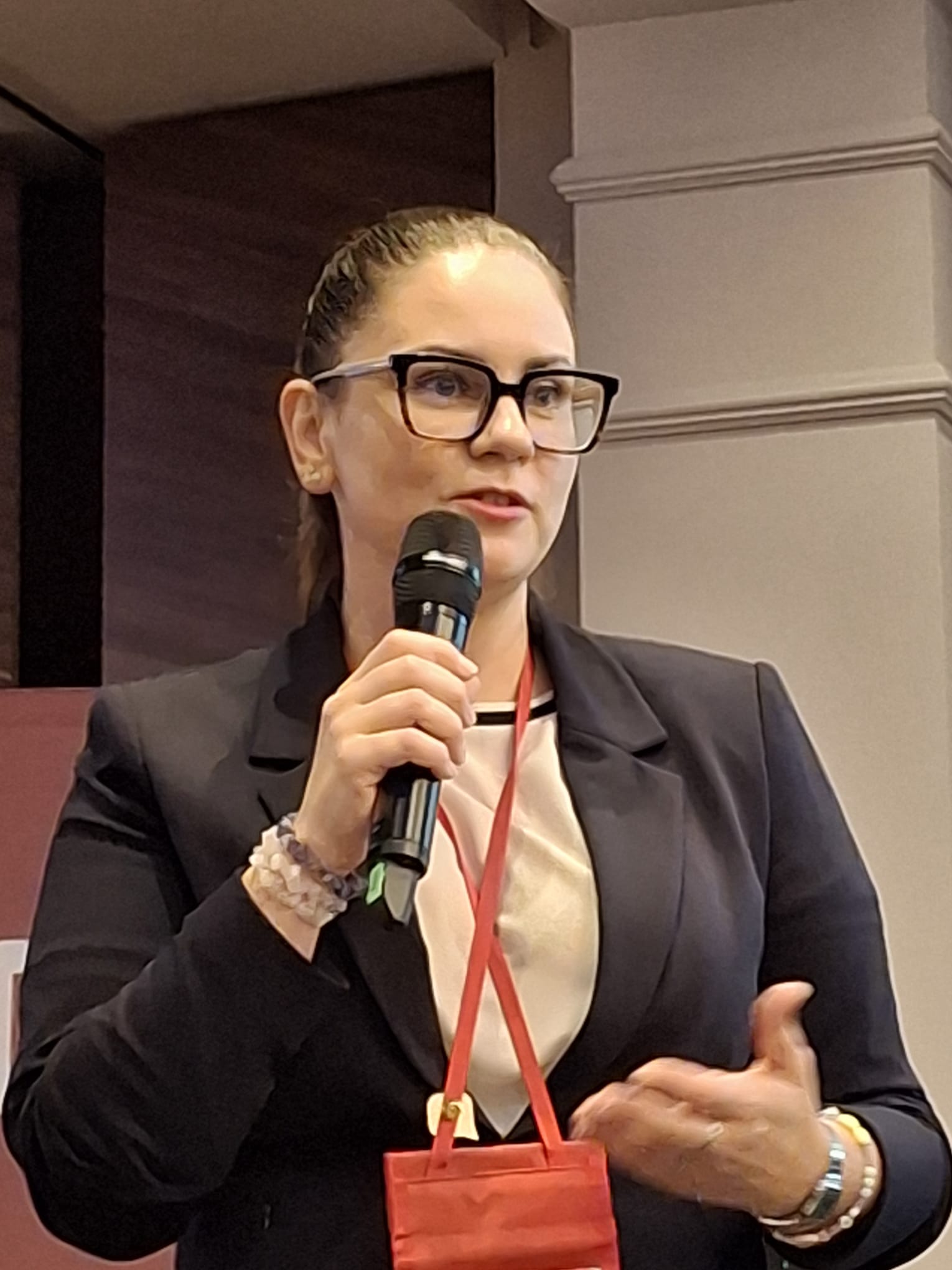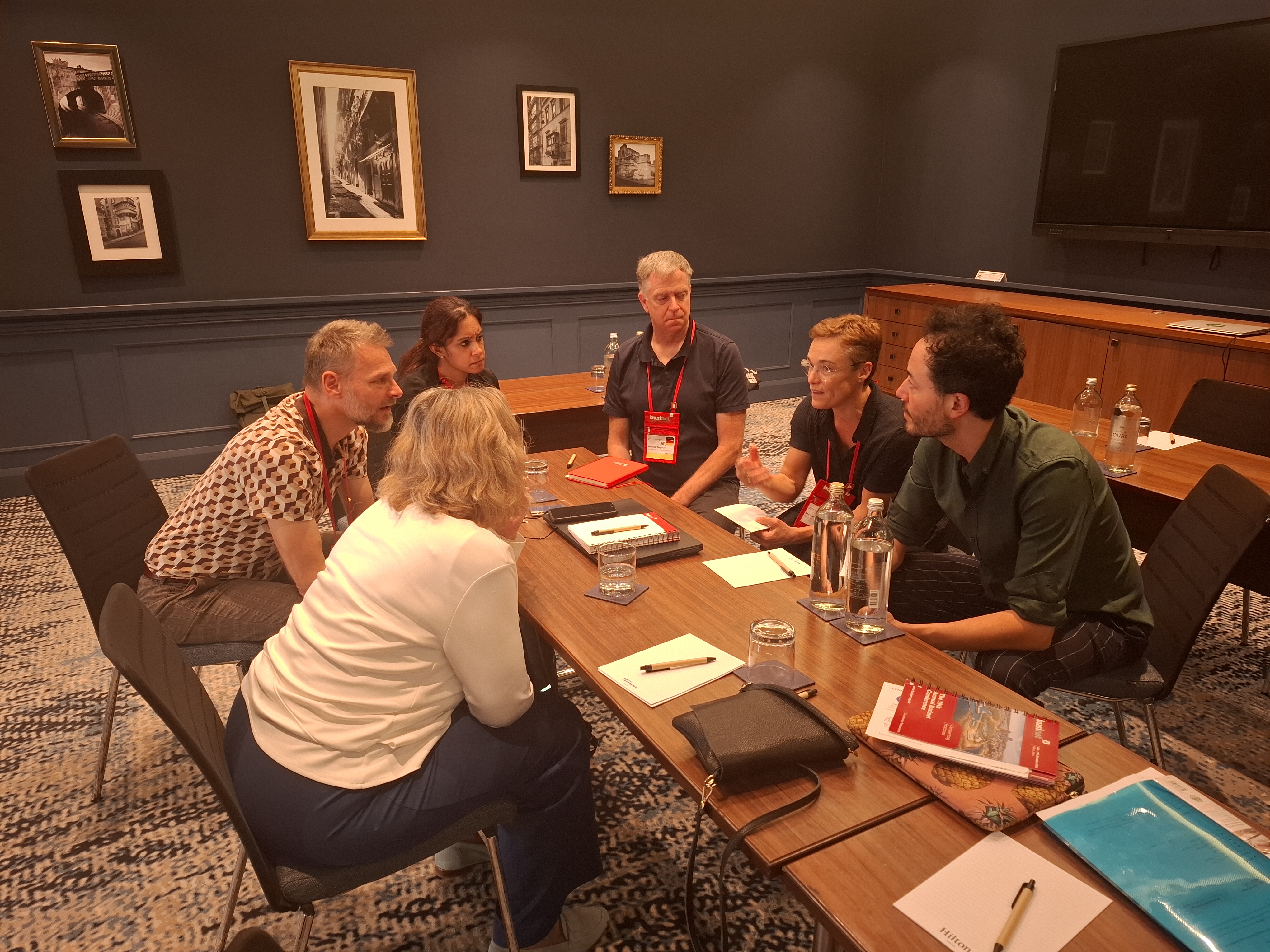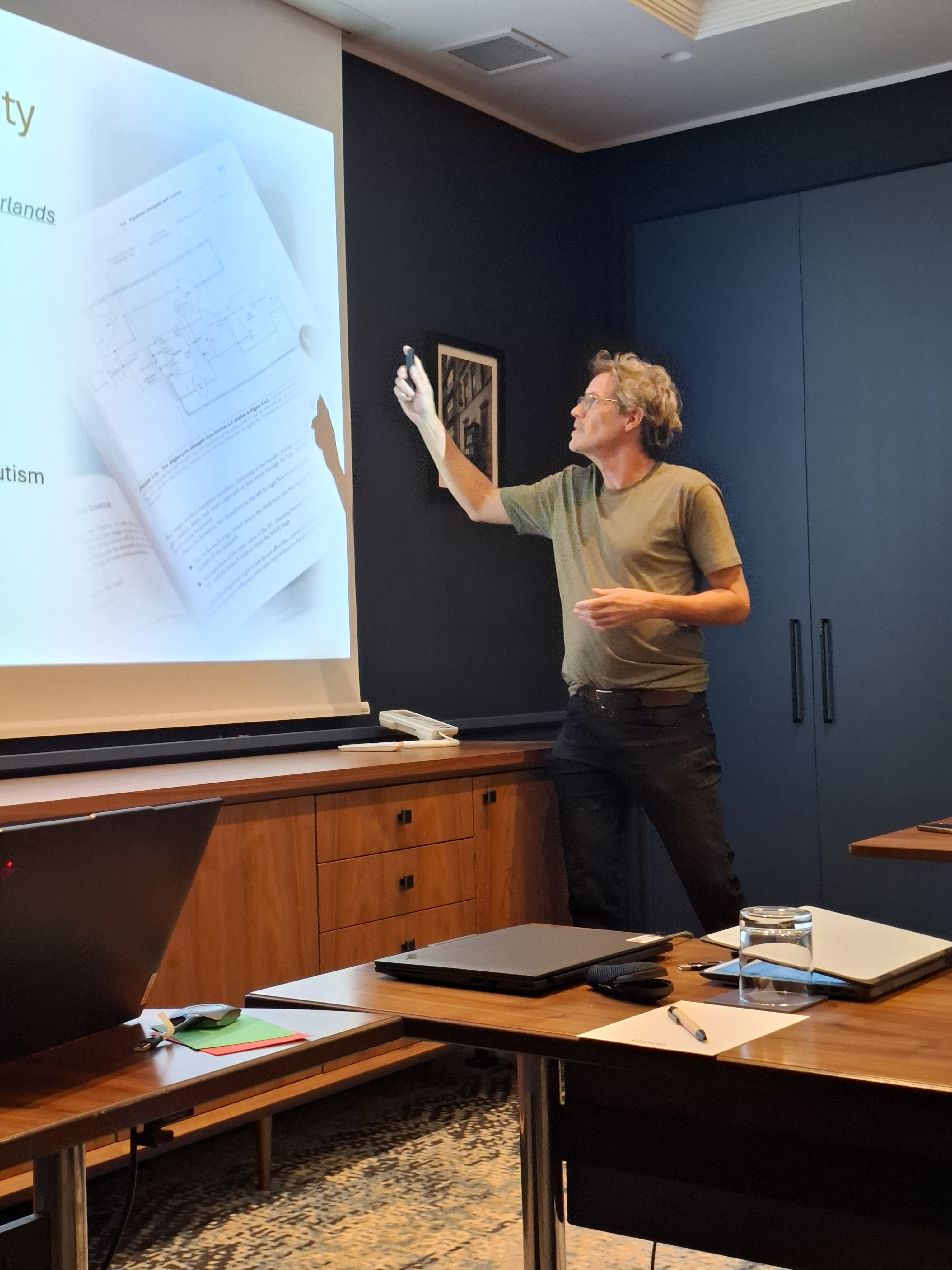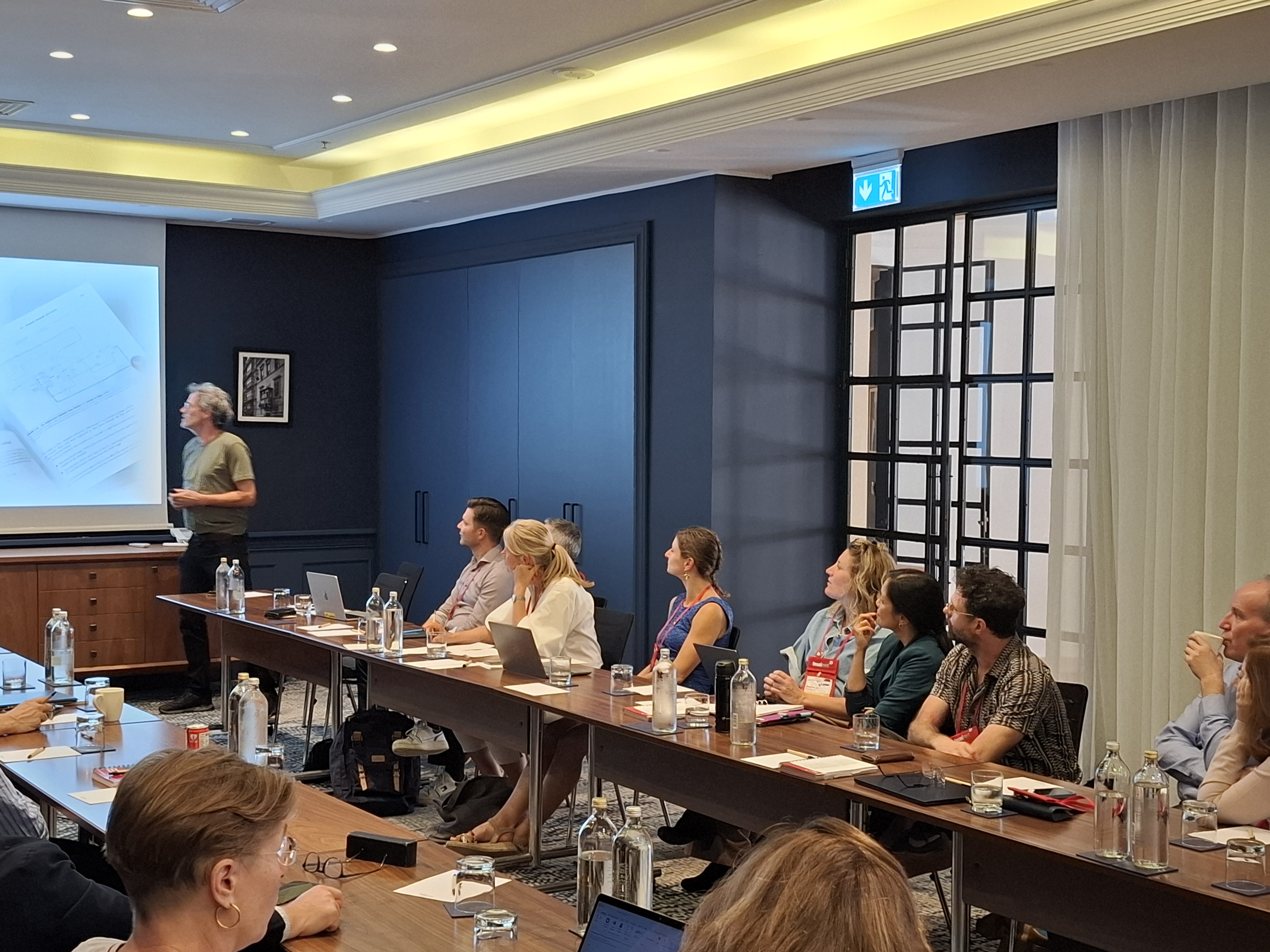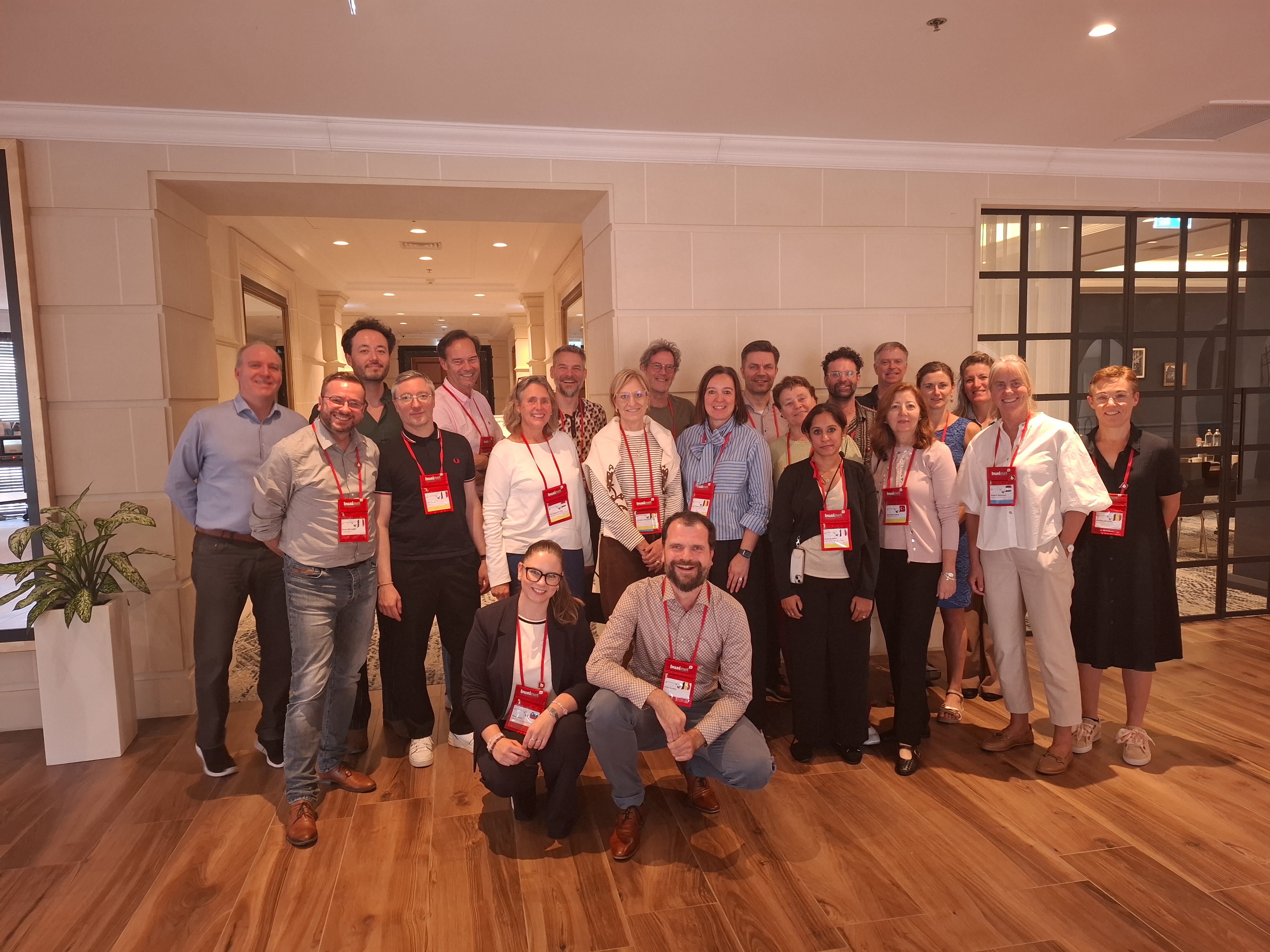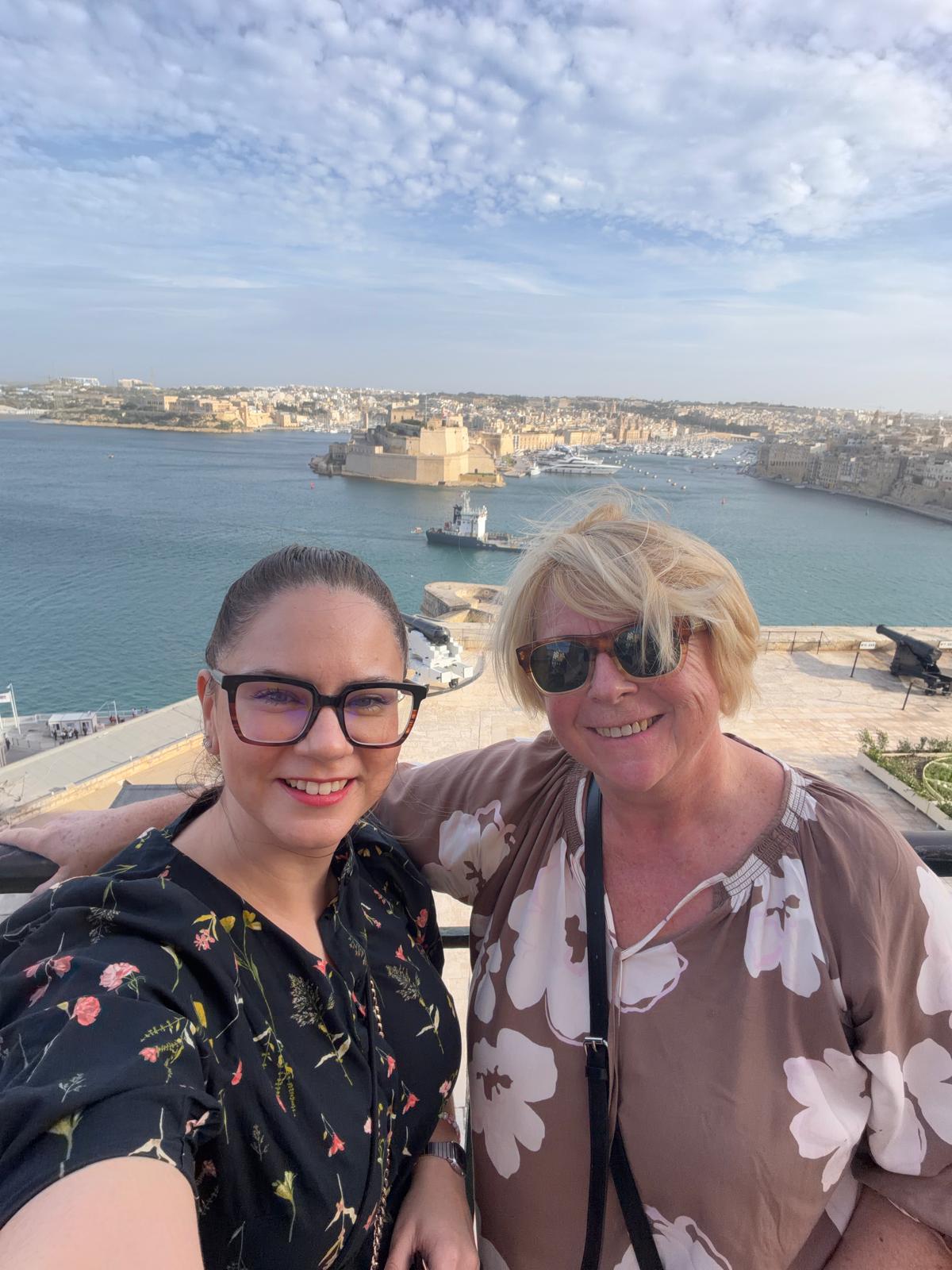
From 11 to 14 November 2026, Malta hosted the 39th Annual Conference of the international Businet network, held under the theme Connecting Horizons. The conference brought together representatives of higher education institutions from different countries to share experiences, explore new ideas and strengthen international partnerships. DOBA University of Applied Sciences was represented by lecturer Dr Marina Letonja and Nina Turčin, Programme Manager.
This year’s conference once again offered a rich and diverse programme focused on the exchange of experiences, professional discussions and establishing new international connections. It included keynote presentations, 18 workshops in which network members presented examples of good practice, meetings of professional and thematic working groups, panel discussions and meetings of higher education institution leaders.
Dr Marina Letonja said of the conference: »I actively participated in the Entrepreneurship working group. As part of the group, we initiated the creation of an international network of university incubators, BIUIN (Businet International University Incubator Network), agreed on the next student challenge in the form of a BIP on the topic of Startups & Scaleups and, together with selected partners, developed an Erasmus+ (VET) project proposal focusing on the development of women’s entrepreneurship, with an emphasis on the next generation of leaders in family businesses.
I was particularly inspired by my colleague Rick Verhagen’s presentation, »Emotion Regulation and Decision Making: Preparing Students for When the Stakes Are Real«, and his practical workshop on decision-making and emotional regulation. During Julie Huisman’s workshop, »Will AI kill creative and critical thinking as Video Killed the Radio Star?«, we agreed that AI will not destroy creativity. Dr Rajiv Vaid Basaiawmoit from Aarhus University also introduced me to an innovative business game that uses gamification to develop strategic decision-making and negotiation skills and is designed for both educational and business environments. Once again, the conference offered numerous opportunities for knowledge exchange, networking and the development of new international collaborations.«
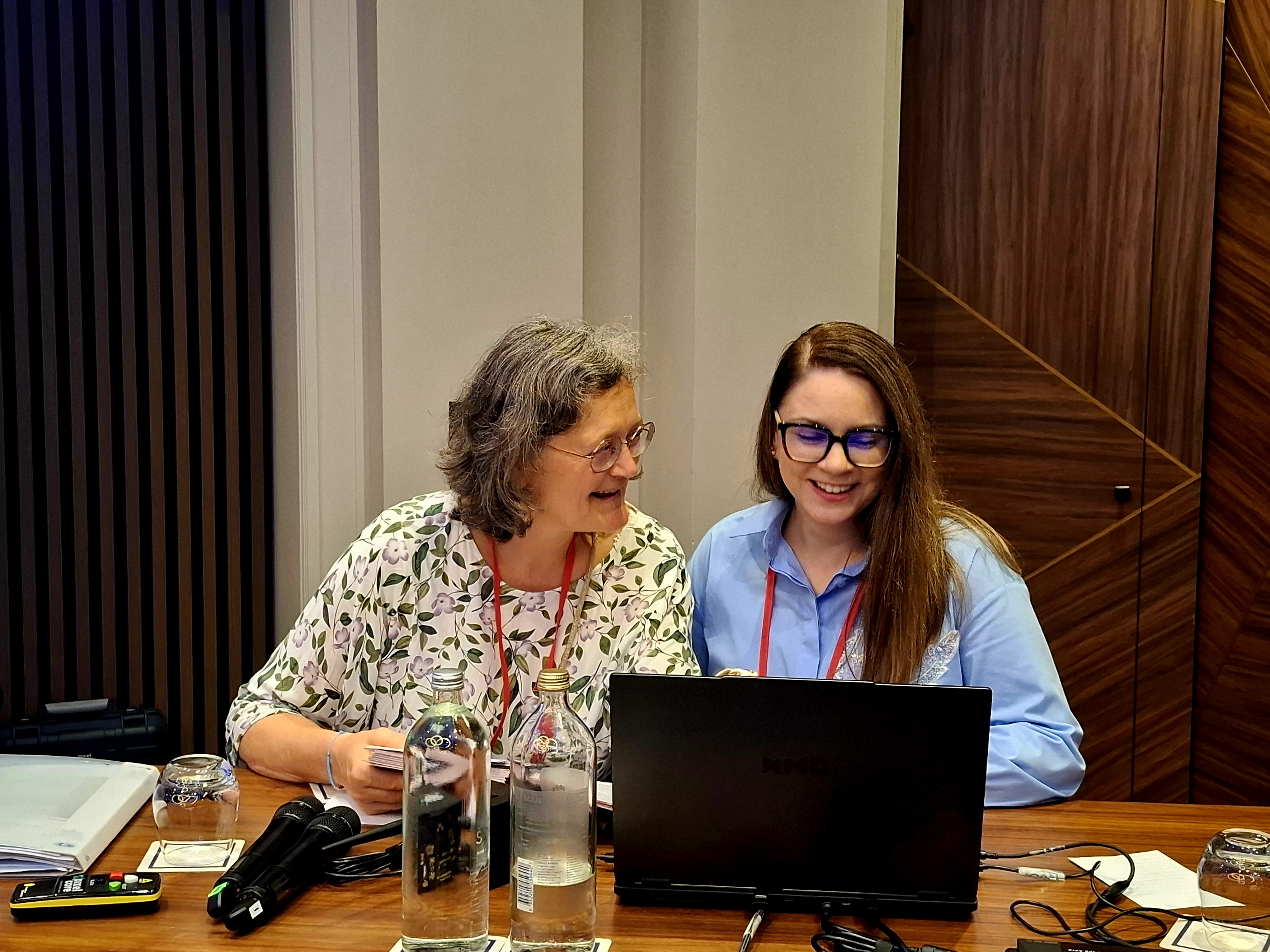
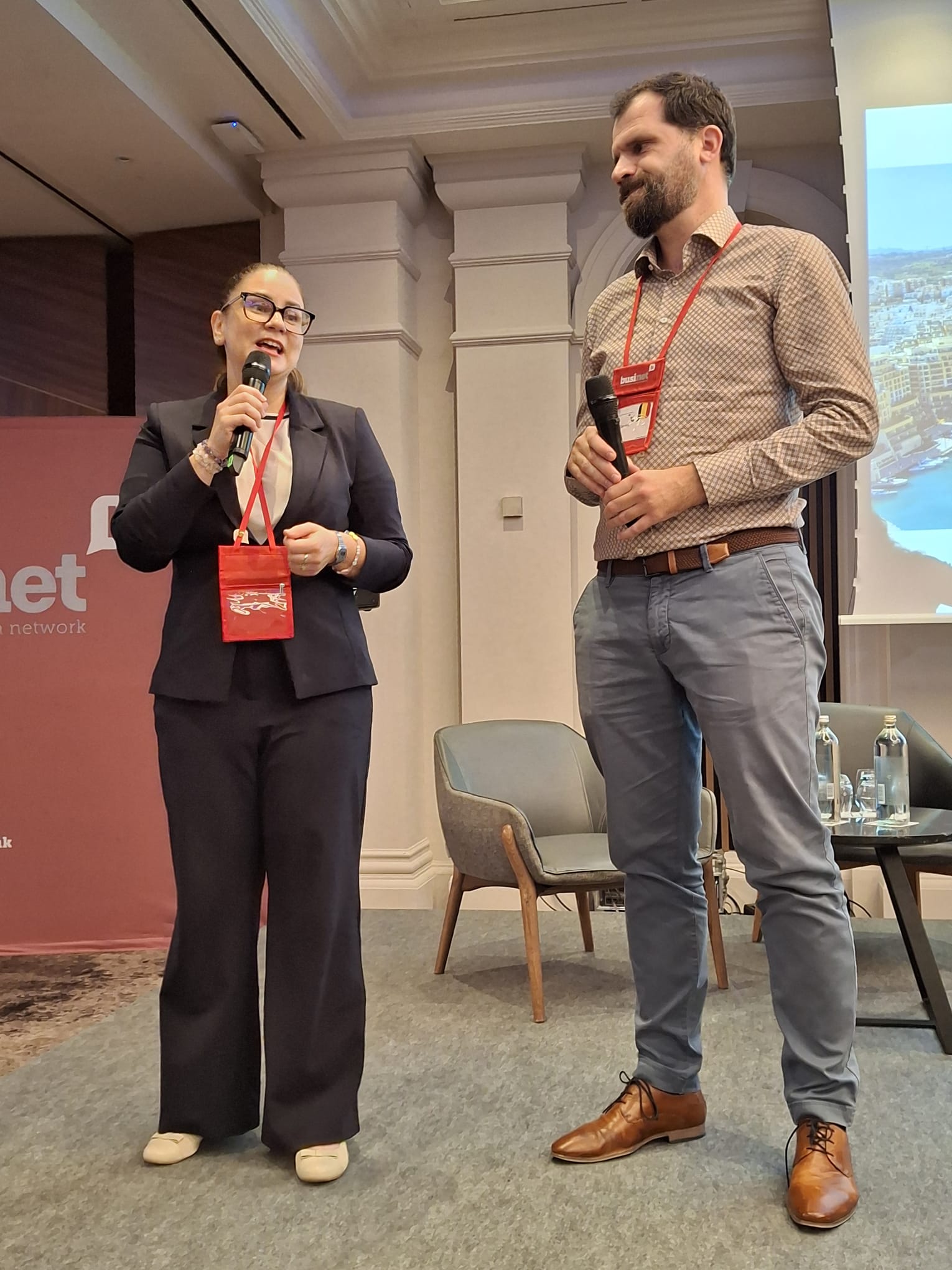
An important part of the conference was the active participation of DOBA University of Applied Sciences in the Internationalisation@Home working group, which is co-led by Nina Turčin and a representative of the Belgian institution UCLL. This year’s working group meeting focused on two current topics in higher education: inclusion and transdisciplinarity. »As part of the Internationalisation@Home working group meeting, two invited experts presented examples of good practice. Arnoud Thuss from Hanze University of Applied Sciences in the Netherlands presented the Dynamic Intercultural Training Programme, which promotes high-quality intercultural learning experiences, including in groups with neurodivergent students. Miika Kuusisto from LAB University of Applied Sciences in Finland presented an example of a transdisciplinary winter school and the development of a transdisciplinary approach within a bachelor’s programme in business studies. Particular emphasis was also placed on active participant engagement. Working in groups, participants developed concrete micro-initiatives that they can take back to their higher education institutions and use in the further development of international learning activities,« said Nina Turčin.
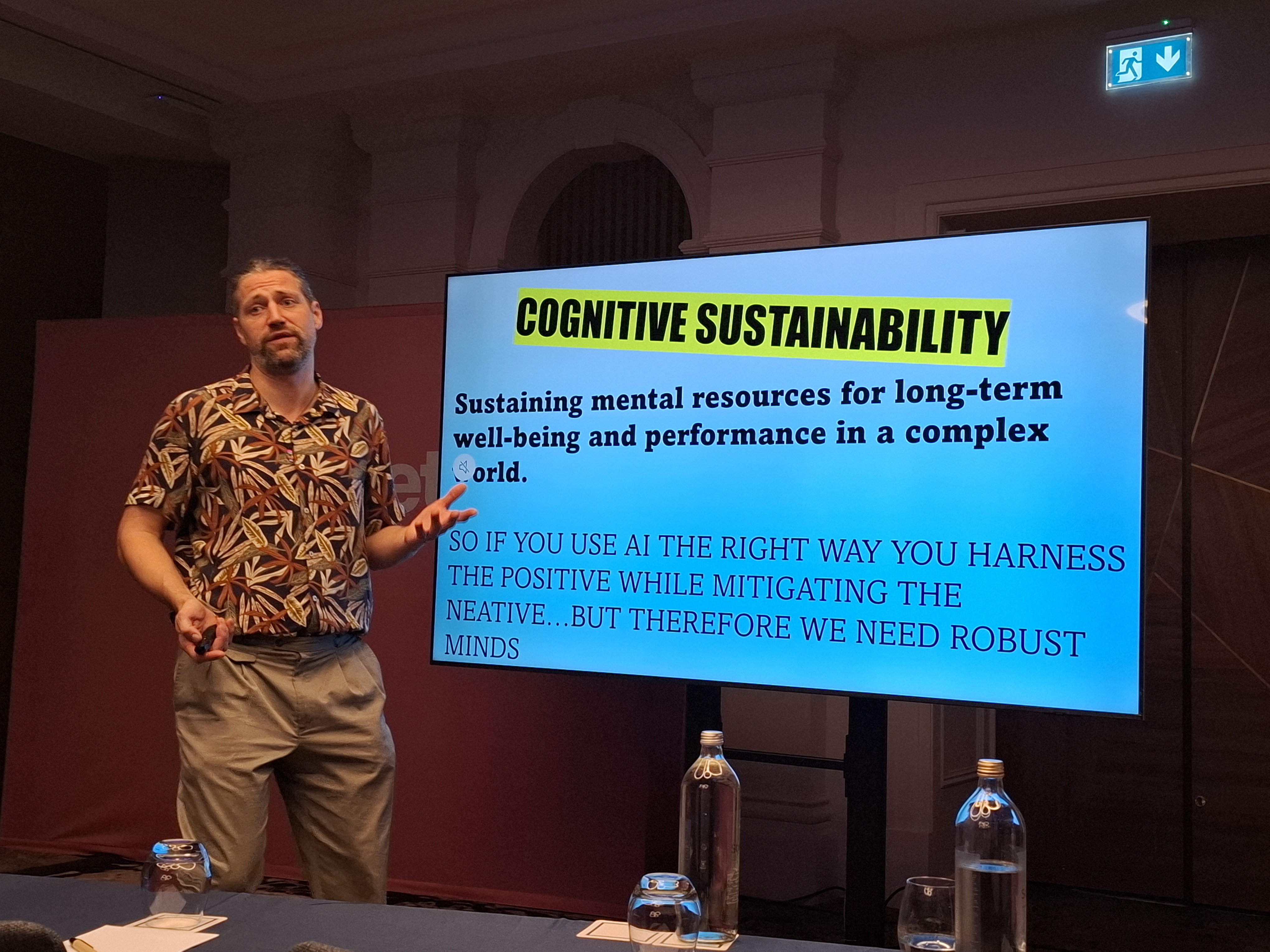
Nina Turčin also highlighted an excellent workshop on cognitive sustainability (Cognitive Sustainability), led by Boris Ney from Windesheim University. The topic raises important questions about how to support quality learning, cognitive wellbeing and sustainable learning approaches in educational environments.
Participation in the conference provided an opportunity to exchange knowledge and experiences with representatives of partner institutions, learn about new approaches in higher education and strengthen international connections. DOBA University of Applied Sciences’ active participation in the Businet network confirms its commitment to international cooperation, the development of high-quality learning environments and keeping pace with contemporary trends in higher education.
Such meetings are also important for transferring international good practices into the local study environment and for the continued development of inclusive, open and internationally connected education.